
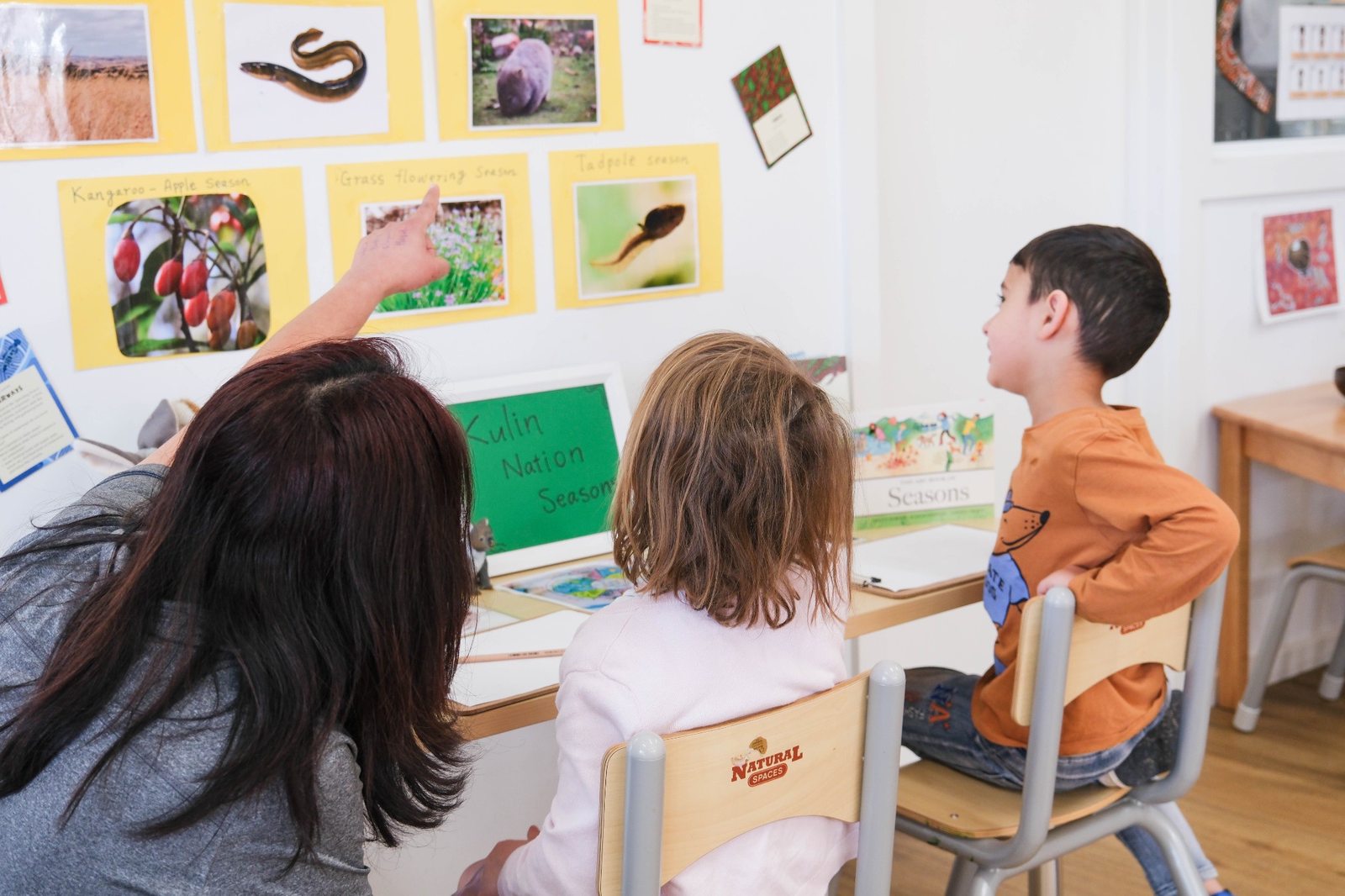
A tower that keeps falling, a pretend shop or a story shared with a friend can contain a surprising amount of learning. When families ask about school readiness, it is worth looking beyond a finished worksheet to the thinking, conversation and decisions taking place during play.
Play and teaching work together
Play-based learning does not mean educators simply step back. They can notice children's interests, offer materials, join a conversation and make thoughtful decisions about what might extend the learning. ACECQA describes this connection between play and intentional teaching in its Early Years Learning Framework information sheet.
For example, an educator might ask a child what they want their bridge to do, rather than showing them one correct bridge to copy. The child's idea remains important while an adult helps them explore it more deeply.
Notice the learning inside the experience
Think about children planning a pretend picnic. They might negotiate who will do what, count out plates, explain an idea or try a different arrangement when something does not fit. These are opportunities to use language, think through a problem and participate with others.
Queensland's kindergarten guidance recognises a mix of child-led, guided and adult-initiated play, as well as learning through everyday routines and real-life experiences. Explore QCAA's play-based learning guidance. The picnic above is an illustration, not a claim that every room follows the same activity plan.
Everyday independence matters too
Getting ready for school also includes becoming familiar with practical tasks. Depending on your child and the support they need, this might mean trying a lunchbox, helping pack a bag or practising how to ask someone for assistance.
The Victorian Government suggests encouraging everyday independence and talking with early childhood educators about ways to support learning at home. Its starting-school tips also encourage conversations with children about their questions and feelings.
Small invitations to try at home
- Build with boxes or blocks and ask what your child wants to make.
- Retell a favourite story with drawings, toys or actions.
- Invite your child to help organise items for an imaginary shop or picnic.
- Make time for a turn-taking game without rushing to finish.
- Notice an everyday problem together and ask, “What could we try?”
These are optional conversation starters, not a checklist your child must complete. Follow what interests them, choose suitable materials and offer the support they need.
Make the transition a shared conversation
Ask educators what they are noticing about your child's interests, relationships and participation. Starting Blocks recommends considering a broad picture of development and speaking with educators about the transition, rather than relying on a single skill. Read its transition-to-school guidance.
Explore our play-based learning guide and kindergarten information, then ask your centre about its local program and transition arrangements.
Family guide. Sources checked 27 October 2026: ACECQA, QCAA, the Victorian Government and Starting Blocks. Activities are illustrative, with no promised developmental outcome or school-entry assessment.